
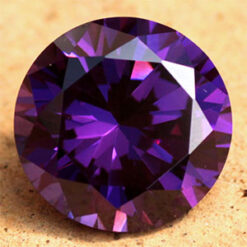
Cubic Zirconia Gemstones
Cubic zirconia, or CZ, is a crystal form of zirconium dioxide. It is a synthetic gemstone with a hard structure and is available in different colors and shapes.
Cubic zirconia is not the same as a zirconium silicate, even if they share a main element. The gemstone comes in handy for several purposes and is a major feature in low to medium-cost jewelry.
Over time, the gemstone has become an alternative for buyers unable to purchase expensive diamond jewelry. It is a preferred option due to its likeness to real diamonds, its isometric form, monoclinic design, and other unique features.
In this article, we’ll get to see lots more details about the gemstone like its composition, uses, history, maintenance tips, and much more.
History of Cubic Zirconia
The first kind of cubic zirconia was discovered in 1892 in a natural form of baddeleyite – one of CZ’s rarest crystals. Synthesis of cubic zirconia will not happen until the 1920s when scientists were able to stabilize its artificial production in a lab.
Later on, Russian scientists perfected as synthesis technique capable of mass-producing cubic zirconia. The first batch of mass-produced cubic zirconia became widely available in Russia from 1977.
Mass production of cubic zirconia has become so successful ever since the 70s, and many jewelers rarely prefer the more expensive, hard-to-find natural variant.
How to Make Cubic Zirconia
Skull-melting is the primary method ideal to create cubic zirconia crystals. The method involves mixing zirconium oxide with a stabilizer in a cold crucible. Other stabilizers like magnesium or calcium might also work in this process.
The mixture is heated to about 4,982ºF and then allowed to cool and stabilize after crystals form. After cooling, the crystals are then cut, polished, or prepared for commercial use.
Uses of Cubic Zirconia
Cubic zirconia is an ideal option for making:
- Windows,
- Gemstones,
- Lenses,
- Laser elements,
- Filters, and
- Substrate for superconductor and semiconductor films, etc.
Cubic zirconia is a preferred option for multiple uses since it has low friction, minimal shock potential, high thermo-chemical resistance, and much more.
Chemical Properties of Cubic Zirconia
- Hardness (Mohs’ Scale): 8.0 – 8.5
- Density: 5.8 g/cm3
- Refractive Index: 2.15 – 2.18
- Dispersion: 0.058 – 0.066
- Heat Resistance: 500°C – 600°C
- Fracture: Conchoidal
- Specific Gravity: 5.6-6.0 g/cm3
Maintenance Tips for Cubic Zirconia
Cubic zirconia needs regular maintenance to restore its brilliance and shine. How a CZ crystal receives maintenance largely depends on its setting base, mount design and other factors.
You can clean CZ gemstones with similar techniques used to maintain real diamonds. Some of the most effective methods are:
Polishing
You can use a polishing cloth of soft cotton to clean cubic zirconia jewelry. First, rub the gemstone’s surface gently with this cloth to ensure all dirt and debris come off. Polishing cloths come in handy to remove oils and dirt from CZ jewelry and leaves a better shine and attractive sparkle.
Liquid soap
Adding liquid soap to warm water could be enough to clean the surface of your CZ crystals. All you need to do is add liquid soap to water at a 1:4 ratio. Next, rub the surface of this crystal gently to remove any dirt or oils from its finish.
Commercial cleaning solution
Several cleaning solvents can work to retain the shine and brilliance of several CZ gemstones. However, you need to read the instructions to know if such solutions are ideal for your zirconia gemstone or its holding metal.
Harsh cleaners will erode the brilliant finish and cause irreparable damage to your crystal’s surface.
Frequently Asked Questions
Cubic Zirconia (CZ) is a high-quality laboratory-created gemstone known for its exceptional brilliance, clarity, and diamond-like appearance. It is one of the most popular and affordable alternatives to natural diamonds for jewelry making.
Cubic Zirconia is a laboratory-created gemstone made from zirconium dioxide. Although it is not a natural gemstone, it is widely used in fine jewelry because of its beauty, durability, and consistent quality.
Yes. High-quality Cubic Zirconia closely resembles a diamond with excellent sparkle and brilliance. It is a popular choice for those seeking the appearance of a diamond at a more affordable price.
Cubic Zirconia has a hardness of approximately 8 to 8.5 on the Mohs Hardness Scale, making it durable enough for rings, earrings, pendants, bracelets, and everyday jewelry with proper care.
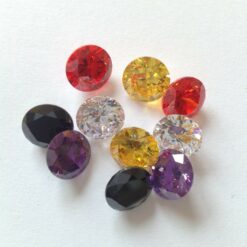
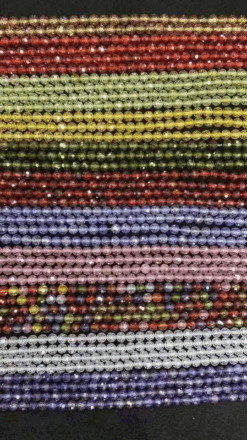
GEMS N GEMS offers Cubic Zirconia in a wide variety of colors including White, Pink, Blue, Green, Yellow, Champagne, Lavender, Black, Aqua, Canary Yellow, Ruby Red, Emerald Green, and many other specialty shades.
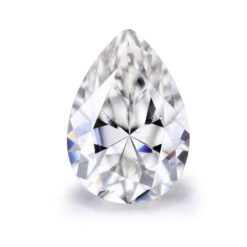
Our Cubic Zirconia Gemstones are available in Round, Oval, Cushion, Princess, Emerald, Pear, Marquise, Heart, Asscher, Radiant, Trillion, Baguette, and many other precision-cut gemstone shapes.
We supply Cubic Zirconia in a wide range of calibrated and custom sizes suitable for jewelry manufacturing, gemstone replacement, and custom jewelry designs.
Yes. Cubic Zirconia is widely used in rings, earrings, pendants, necklaces, bracelets, watches, and fashion jewelry because of its brilliant appearance and affordability.
Clean Cubic Zirconia using warm water, mild soap, and a soft brush. Rinse thoroughly and dry with a lint-free cloth. Regular cleaning helps maintain its brilliance and sparkle.
GEMS N GEMS offers premium-quality Cubic Zirconia Gemstones in an extensive selection of colors, shapes, and sizes. Our gemstones are ideal for jewelry manufacturers, wholesalers, retailers, designers, and gemstone enthusiasts seeking consistent quality and competitive wholesale pricing.