

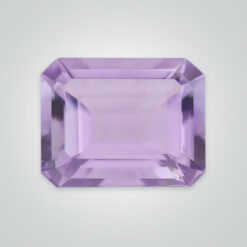
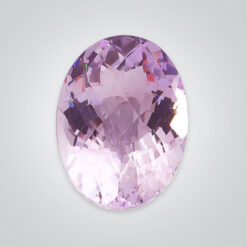
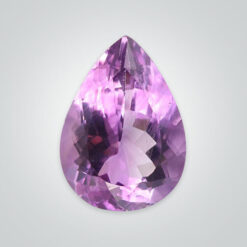
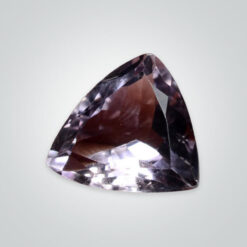
Natural Pink Amethyst
Earth-mined natural pink amethyst is a light red to purple quartz that derives its color from iron (Fe) impurities and other factors. The crystal may also get its signature pink hue when hematite penetrates pure quartz during its natural formation.
The quartz stones are perfect as adornments, luxury loose gemstones, and for other purposes. However, there’s so much more you need to know about natural pink amethyst before you add it to your collection.
That’s why this article provides vital details about natural pink amethyst like its origins, uses, maintenance tips, and much more.
History of Natural Pink Amethyst
Ancient Greeks referred to amethyst crystals as amethystos and they believed these stones had anti-intoxication properties. Many Greek artisans produced cups and drinking vessels from amethyst for use by high-profile individuals and members of court to prevent drunkenness.
Amethyst crystals have also featured in many Buddhist civilizations over time and to the Middle Ages and beyond.
How are Natural Pink Amethyst Made?
Pink amethyst quartz forms underground under intense heating and pressure on silicon dioxide. During the process, irradiation caused by iron or other coloring element changes the color of amethyst crystals to light red, deep pink or a mix of red and purple streaks on quartz crystals.
Uses of Natural Pink Amethyst
Natural pink amethyst are useful as:
- Adornments on musical instruments, vases, etc.
- Fittings on window pieces
- Lighting centerpieces, and
- Gemstones,
Jewelers prefer amethyst crystals due to their hardness rating, easy molding potential, and other useful features.
Chemical Properties of Natural Pink Amethyst
- Main element: Silica (silicon dioxide, SiO2)
- Birefringence: +0.009
- Cleavage: None
- Quartz class: Trapezohedral
- Quartz habit: typically 6-sided prism ending in 6-sided pyramid
- Quartz system: Trigonal
- Diaphaneity: Transparent to translucent
- Fracture: Conchoidal
- Luster: Vitreous or glassy
- Melting point: ~1650°C
- Mohs scale hardness: 5.5 – 7
Optical properties Uniaxial
- Pleochroism: Weak to moderate purple and reddish purple
- Refractive index: 1.543 – 1.554
- Solubility: Insoluble in common solvents
- Specific gravity: 2.65 (constant); variable in deep varieties
- Streak: White
Maintenance Tips for Natural Pink Amethyst
You can maintain your natural pink amethyst with:
Baking soda and white vinegar – Mix baking soda into vinegar and soak your quartz in it for no more than 10mins, rinse in lukewarm water and allow to air dry
Commercial jewelry cleaners – Apply jewelry cleaner on the gemstone’s surface and rub in with a soft cotton cloth, rinse in water, and then allow to air dry before use or storage
Liquid soap and water cleaning – Mix liquid soap in lukewarm water and rub dirt off your quartz with soft cotton cloth; perfect for removing regular stains from most gemstone pieces
Proper storage – Store gem pieces in airtight boxes to prevent contact with dirt or oils.
Steam cleaners – Steam cleaning removes dirt from gem pieces with a burst of warm air; works better with dry cotton cloth or soft tissue paper
Make sure you never expose your amethyst to ammonia-rich commercial jewelry cleaners. Some commercial jewelry cleaners with ammonia might weaken or damage the internal structure of your amethyst gems.
Also, pink amethyst quartz may react poorly to jeweler’s torch rays and ingredients in some highly-concentrated liquid soap solutions.
Consult an experienced jeweler for more information before you choose a maintenance method for your amethyst. Seeking information from qualified professionals is the only way to ensure your quartz appears brilliant for much longer.